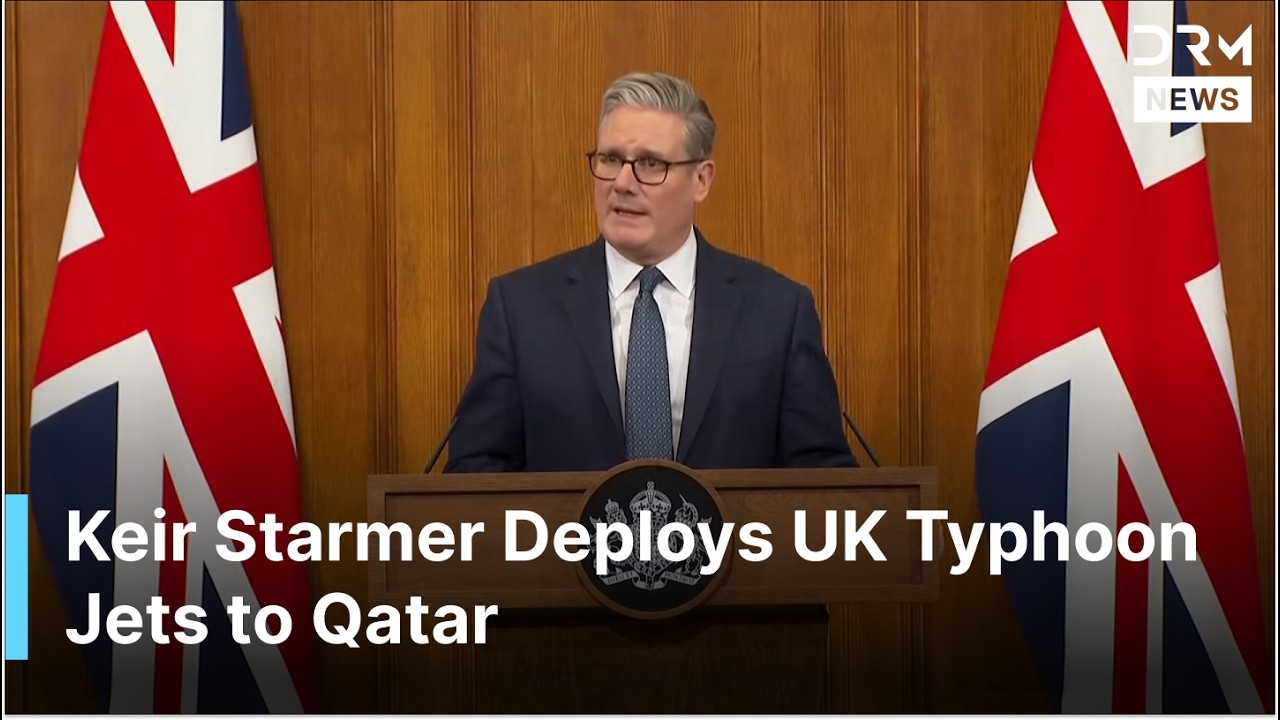
Why Prime Minister Starmer is Bolstering UK Presence in the Gulf with Fighter Jets
In a decisive move signaling the United Kingdom's unwavering commitment to regional stability and the protection of its citizens, Prime Minister Keir Starmer announced the deployment of four additional Typhoon fighter jets to Qatar. This strategic reinforcement of UK presence in the Gulf comes at a time of heightened tensions in the Middle East, underscoring a proactive approach to evolving geopolitical challenges. The decision to send more starmer uk fighter jets to the region is multifaceted, aiming to strengthen existing operations, enhance deterrence, and ensure the safety of Britons abroad.
The deployment of these advanced combat aircraft is more than just a show of force; it represents a carefully calculated step in the UK's foreign and defence policy. As the conflict in the Middle East continues to escalate, the need for robust capabilities to safeguard national interests and international shipping lanes becomes paramount. This article delves into the core reasons behind Prime Minister Starmer's decision, exploring the strategic imperatives, operational benefits, and broader implications of strengthening the UK's military footprint in this vital part of the world.
Protecting British Citizens and Interests: A Primary Mandate
At the heart of any government's foreign policy is the fundamental duty to protect its citizens, whether at home or abroad. Prime Minister Starmer explicitly cited the protection of British citizens as a key driver for sending four additional Typhoon fighter jets to Qatar. The escalating conflict in the Middle East creates an unpredictable and potentially dangerous environment for the thousands of Britons living and working in the region, as well as for those transiting through it.
The presence of advanced fighter jets serves several critical functions in this regard:
- Enhanced Surveillance and Reconnaissance: Typhoons provide superior intelligence-gathering capabilities, offering a clearer picture of potential threats and allowing for more informed decision-making regarding the safety of British nationals.
- Deterrence: A visible and capable military presence acts as a significant deterrent against hostile actors who might otherwise consider targeting British interests or personnel. It signals the UK's readiness and capacity to respond to aggression.
- Rapid Response Capability: In an emergency, such as an attack or a rapidly deteriorating security situation, these jets can provide air cover, escort for evacuation efforts, or interdiction capabilities to neutralize threats swiftly. This was notably underscored by the confirmation that the first repatriation flight for Britons in the region had taken off from Oman, suggesting coordinated efforts between diplomatic and military assets.
- Support for Diplomatic Efforts: A strong military posture can provide leverage for diplomatic initiatives, enabling the UK to negotiate from a position of strength when advocating for de-escalation or safe passage for its citizens.
By deploying these starmer uk fighter jets, the UK government demonstrates a clear commitment to proactively addressing risks rather than merely reacting to crises. This proactive stance is crucial for maintaining confidence among the expatriate community and for ensuring the continuity of vital British interests, including trade and energy security, which depend on regional stability.
Strengthening Regional Security and Deterrence in the Gulf
The Gulf region is a critical geopolitical crossroads, vital for global energy supplies, international trade, and security. The UK has a long-standing commitment to stability in this area, maintaining a significant military presence. The addition of four more Typhoon jets to Qatar, a key regional partner, significantly bolsters this existing framework.
The Typhoon, a multi-role combat aircraft, is one of the world's most advanced and capable fighter jets. Its deployment enhances the UK's ability to:
- Bolster Air Superiority: The Typhoons improve the UK's capacity to control the airspace, a fundamental aspect of any successful military operation and crucial for protecting vital assets, shipping lanes, and allied forces.
- Enhance Interoperability with Allies: Qatar hosts several international military bases and is a key partner in regional security efforts. The additional Typhoons will seamlessly integrate with allied forces, improving joint operational capabilities and reinforcing coalition efforts to maintain peace and security. This collaboration is vital for a unified response to regional threats.
- Project Power and Influence: A robust military presence allows the UK to project its influence across the region, participating more effectively in multilateral security initiatives and contributing to a broader deterrent posture against state and non-state actors who seek to destabilize the Gulf.
- Respond to Evolving Threats: The Middle East is characterized by a complex array of threats, including maritime security challenges, drone and missile proliferation, and regional proxies. The increased number of starmer uk fighter jets provides greater flexibility and capacity to respond to these diverse and evolving challenges effectively. For more details on this specific deployment, you can read Starmer Confirms UK Sending 4 Typhoon Jets to Qatar.
This deployment is not merely reactive; it is a strategic investment in long-term regional stability, demonstrating the UK's resolve to play a constructive role in safeguarding international security norms and protecting the global commons.
Navigating Geopolitical Complexities: The Broader Middle East Context
The decision to send more starmer uk fighter jets to the Gulf must be viewed within the context of the broader geopolitical landscape of the Middle East, which has seen significant escalation. The region is a mosaic of intricate alliances, historical grievances, and emerging flashpoints. The UK, as a permanent member of the UN Security Council and a key NATO ally, has a vested interest in preventing wider regional conflict.
This deployment is part of a delicate balancing act:
- Independent UK Stance: While closely allied with the United States, the UK often seeks to maintain its independent foreign policy objectives. The deployment of UK assets reinforces this independence, allowing the UK to respond to specific threats aligned with its national interests, even as it collaborates with allies. Interestingly, reports suggest that cabinet ministers had previously 'blocked' Prime Minister Starmer from letting the US use British bases for Iran strikes. This highlights the careful consideration and internal deliberations within the UK government regarding direct involvement in potentially broader conflicts, distinct from the proactive bolstering of its own defensive posture.
- De-escalation Through Strength: Paradoxically, increasing military presence can sometimes contribute to de-escalation by making the cost of aggression prohibitively high. The aim is to deter rather than provoke, ensuring that the UK contributes to a stable balance of power in the region.
- Support for International Law: The UK is a staunch advocate for international law and the freedom of navigation. The presence of its fighter jets contributes to the enforcement of these principles, particularly in critical waterways such as the Strait of Hormuz, through which a significant portion of the world's oil supply passes.
The complexities of the Middle East demand a nuanced and robust approach. Prime Minister Starmer's decision reflects an understanding that effective diplomacy often requires the backing of credible military power, positioning the UK as a responsible and capable actor on the global stage.
Conclusion: A Proactive Stance for Stability
Prime Minister Keir Starmer's decision to deploy four additional Typhoon fighter jets to Qatar represents a significant and strategic move for the United Kingdom. Driven by the imperative to protect British citizens, strengthen regional security, and navigate the volatile geopolitical landscape of the Middle East, this action underscores the UK's commitment to playing a vital and proactive role in maintaining international stability. By bolstering its military presence with advanced starmer uk fighter jets, the UK aims to enhance deterrence, support allied operations, and ensure the safety of its nationals amidst escalating tensions. This deployment is a clear signal that the UK stands ready to defend its interests and contribute to a more secure future in a critical global region.