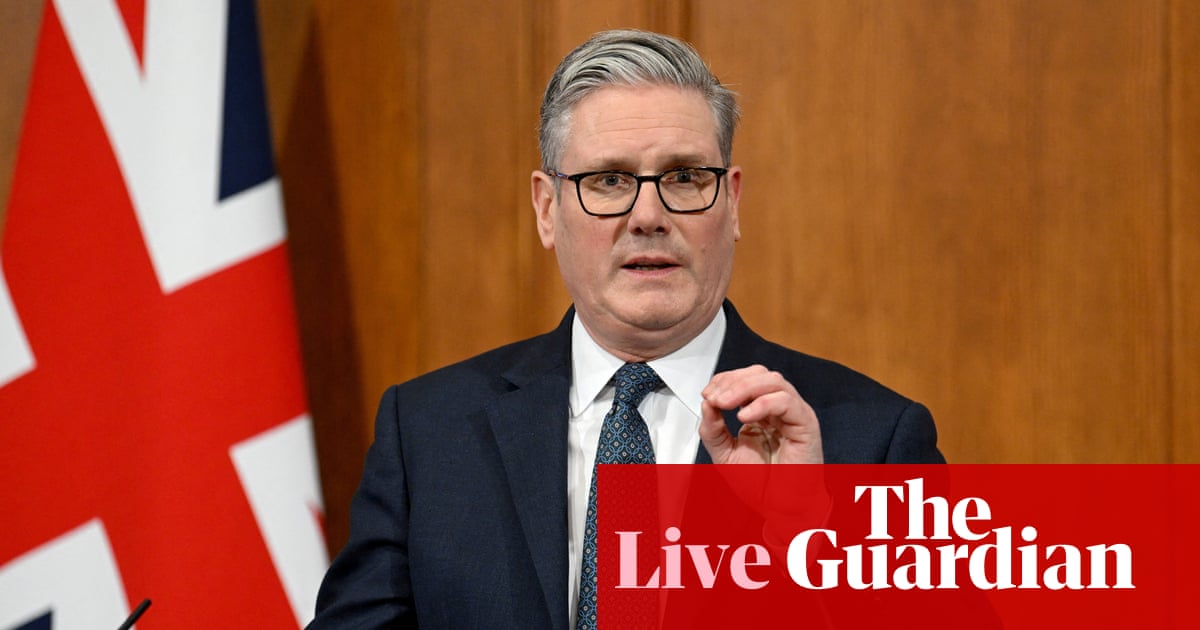
Starmer Confirms UK Sending 4 Typhoon Jets to Qatar Amid Escalating Gulf Tensions
In a significant move underscoring the UK's commitment to regional stability and the protection of its citizens, Prime Minister Keir Starmer has announced the deployment of four additional Eurofighter Typhoon fighter jets to Qatar. This decision comes as the Middle East grapples with escalating conflicts, necessitating a bolstered British presence in the Gulf region. The immediate aim, as articulated by Starmer, is to strengthen operations and safeguard British nationals caught in the precarious geopolitical landscape.
The dispatch of these advanced Typhoon jets to a key Gulf ally like Qatar signals a proactive stance by the UK government. It reflects a strategic imperative to reinforce deterrence capabilities and provide a robust response mechanism in an increasingly volatile part of the world. This announcement by Prime Minister Starmer, regarding the UK's enhanced military footprint, highlights the complex challenges facing global powers in maintaining peace and security.
Strategic Imperatives: Why Starmer is Deploying UK Fighter Jets to the Gulf
The decision by Keir Starmer to deploy these UK fighter jets is multifaceted, driven by a combination of national interest, humanitarian concerns, and long-term strategic objectives in the Middle East. The escalating conflict, though not explicitly detailed in its latest iteration, invariably increases risks to British assets, personnel, and citizens residing or travelling through the region.
- Protection of British Citizens: Foremost among the stated reasons is the imperative to protect British nationals. In times of heightened tension, the ability to project power and ensure safe passage or evacuation becomes critical. The presence of advanced fighter jets can provide air cover for humanitarian operations or serve as a deterrent against threats to British interests.
- Strengthening Operations in the Gulf: The phrase "strengthen operations" encompasses a range of activities. This could involve enhanced intelligence gathering, increased surveillance capabilities, and participation in joint exercises with regional allies like Qatar. Such deployments contribute to a more robust deterrent posture, making any potential aggression against UK interests or its allies a significantly riskier proposition.
- Regional Stability and Deterrence: The UK has a long-standing interest in the stability of the Gulf. Disruptions in this region have global ramifications, particularly concerning energy security and international trade routes. By augmenting its military presence, the UK aims to contribute to a broader effort to deter destabilizing actions and support regional security frameworks. The presence of sophisticated military hardware sends a clear message about the UK's commitment to its partners and to upholding international norms. This deployment underscores the UK's strategic thinking in the region; for a deeper dive into the rationale, consider reading Why Starmer is Deploying UK Fighter Jets to the Gulf.
- Reinforcing Alliances: Qatar is a crucial partner for the UK in the Middle East. Hosting a significant military presence and engaging in joint defence initiatives strengthens bilateral ties and fosters greater interoperability between the two nations' armed forces. This partnership is vital for intelligence sharing and coordinated responses to regional threats.
The Eurofighter Typhoon: A Force Multiplier in the Gulf
The choice of the Eurofighter Typhoon for this deployment is highly significant. As one of the world's most advanced multi-role combat aircraft, the Typhoon offers unparalleled capabilities suited for the complex operational environment of the Middle East.
Key Capabilities of the Eurofighter Typhoon:
- Air Superiority: Designed primarily as an air-to-air combat aircraft, the Typhoon excels in establishing and maintaining control of the airspace. Its powerful engines, advanced radar systems, and superior maneuverability make it a formidable opponent against any aerial threat.
- Ground Attack and Reconnaissance: Modern Typhoons are highly capable multi-role platforms, equipped to carry a wide array of air-to-ground munitions and sophisticated targeting pods. This allows them to conduct precision strikes against ground targets, offering both offensive and defensive flexibility.
- Interoperability: The Typhoon is a product of a multinational collaboration (UK, Germany, Italy, Spain), making it a cornerstone of NATO air forces. Its interoperability with other Western military assets is a significant advantage in coalition operations, facilitating seamless coordination with allied forces in the Gulf.
- Speed and Range: Capable of supersonic flight and equipped with extensive combat range, the Typhoons can cover vast distances quickly, providing rapid response capabilities across the Gulf region.
Sending four additional Typhoons significantly bolsters the existing UK presence and sends a clear message of capability and resolve. These jets are not just a symbol; they represent a tangible increase in the UK's ability to protect its interests and support its allies against a range of potential threats, from aerial incursions to asymmetric attacks.
Beyond Military Aid: A Holistic Approach to Regional Engagement
Prime Minister Starmer's announcement wasn't solely focused on military hardware. It also highlighted a broader, more nuanced approach to the UK's engagement in the Middle East, balancing military strength with humanitarian responsibilities and diplomatic considerations.
Key Aspects of the UK's Broader Strategy:
- Repatriation Flights for Britons: Amidst the escalating conflict, the safety of British citizens abroad remains a paramount concern. Starmer confirmed that the first repatriation flight for Britons in the region had already departed from Oman. This demonstrates a comprehensive approach where military presence is complemented by practical, humanitarian efforts to ensure the well-being of its nationals. It underscores the dual nature of the UK's commitment: a strong hand for security, and a helping hand for its people.
- Navigating US Requests and Cabinet Dynamics: A notable detail emerging from the context was the revelation that cabinet ministers 'blocked' Starmer from allowing the US to use British bases for strikes against Iran, at least until Saturday afternoon when a specific request was made. This incident offers crucial insight into the internal dynamics of the UK government and its careful calibration of foreign policy. It suggests a desire to support allies without being automatically drawn into potentially escalatory actions, emphasizing sovereign decision-making and strategic prudence. This also highlights the delicate balance a Prime Minister must strike between international alliances and domestic political considerations, especially when dealing with highly sensitive military actions.
- Diplomatic Engagement: While not explicitly stated in the context, military deployments are almost always accompanied by intensive diplomatic efforts. The presence of UK starmer uk fighter jets in Qatar likely strengthens the UK's negotiating position and its ability to engage meaningfully with regional stakeholders to de-escalate tensions and seek peaceful resolutions.
Implications for Regional Security and UK Foreign Policy
The deployment of these four Typhoon jets has significant implications, both for the immediate security landscape of the Gulf and for the broader trajectory of UK foreign policy under Keir Starmer.
Impact on Regional Security:
- Enhanced Deterrence: The additional jets contribute to a stronger collective deterrent against hostile state and non-state actors in the region. This increased capability can help prevent further escalation of conflicts by signaling a robust response capacity.
- Improved Intelligence and Surveillance: Typhoons, equipped with advanced sensor packages, can significantly enhance the UK's and its allies' ability to monitor regional developments, providing crucial intelligence for situational awareness and decision-making.
- Reinforced Partnerships: By demonstrating tangible support for Qatar, the UK strengthens its network of alliances in a critical region. This bilateral cooperation can serve as a model for broader multilateral efforts to address regional security challenges. As the UK continues to bolster its presence, insights from UK Bolsters Gulf Presence with Four New Typhoon Jets in Qatar offer further perspective.
Implications for UK Foreign Policy:
- Starmer's Foreign Policy Stance: This move offers a clearer picture of Keir Starmer's approach to international relations. It suggests a willingness to use military assets proactively to protect national interests and maintain global stability, even while carefully navigating the complexities of alliances and avoiding unnecessary escalation. It positions him as a pragmatic leader ready to deploy hard power when necessary, but also mindful of humanitarian concerns and diplomatic nuances.
- Global Britain in Action: The deployment reinforces the concept of 'Global Britain,' showcasing the UK's commitment to playing an active role on the world stage, extending its influence beyond Europe and contributing to security in key strategic regions.
- Balancing Act: The episode concerning the US request highlights the UK's strategic balancing act – remaining a steadfast ally while asserting its sovereign decision-making and carefully considering the potential ramifications of military involvement. This approach seeks to avoid being seen as an automatic participant in every US military endeavor, thus preserving diplomatic flexibility.
This deployment is more than just sending planes; it's a strategic declaration of the UK's enduring commitment to its allies and to safeguarding stability in a region vital to global interests.
Conclusion
Prime Minister Keir Starmer's confirmation of sending four additional Typhoon fighter jets to Qatar represents a significant and carefully considered response to the escalating tensions in the Middle East. This move is deeply rooted in the dual objectives of protecting British citizens and strengthening the UK's operational capabilities in a strategically vital region. Beyond the immediate military implications, the announcement underscores a holistic UK foreign policy that combines robust deterrence with humanitarian efforts and a nuanced diplomatic approach. The deployment of these advanced starmer uk fighter jets not only bolsters regional security but also clearly signals Starmer's pragmatic and assertive stance on the international stage, demonstrating the UK's ongoing commitment to its global responsibilities and its allies.